NYT Accusations Reshape Cesar Chavez Civil Rights Legacy
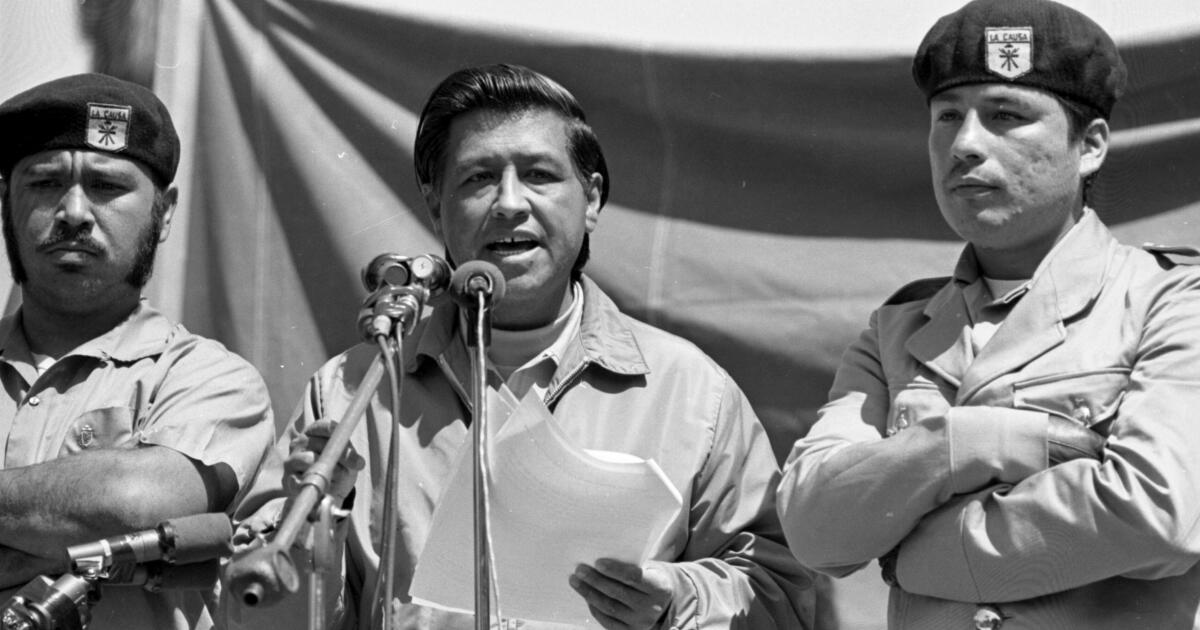
Cesar Chavez, a name synonymous with agricultural labor rights and civil rights activism in the United States, has long been celebrated as a champion for the marginalized. His efforts in organizing farmworkers and advocating for their dignity fundamentally reshaped the landscape of labor relations. However, recent accusations and the resurfacing of past comments have cast a long shadow over his revered image, prompting a widespread re-evaluation of his complex legacy, particularly within online forums and public discourse, often sparking intense debates on platforms like Reddit about the true nature of historical figures.
The re-examination of Chavez's life and contributions has been fueled by a significant New York Times investigation in March 2026, which brought to light serious allegations of sexual abuse. This report, alongside renewed attention to his controversial statements regarding undocumented immigrants, challenges the often-simplified narrative surrounding his life and work, urging a more nuanced understanding of a figure who was both transformative and, in some aspects, deeply problematic.
Reconsidering a Civil Rights Icon: The NYT Accusations
The New York Times' comprehensive investigation in 2026 presented grave allegations against Cesar Chavez, accusing the deceased labor leader of sexually abusing young girls and women over many years. This detailed report sent shockwaves through the civil rights community and the broader public, compelling many to revisit their understanding of the icon.
Among the accusers were Ana Murguia and Debra Rojas, who bravely shared their experiences, alleging they were targeted as young teenagers while their families were actively involved in the United Farm Workers (UFW), the organization Chavez co-founded. Their accounts described a disturbing pattern of manipulation and abuse that, they stated, continued for several years. The investigation corroborated these allegations through extensive interviews with over 60 individuals, as well as an examination of internal union records, emails, photographs, and archival materials. The breadth of evidence suggested that these were not isolated incidents but potentially indicative of a broader pattern of behavior involving women connected to the movement.
The implications of these allegations are profound. For many, they force a painful confrontation with the idea that a figure celebrated for fighting oppression might have simultaneously perpetuated harm within his own movement. This stark contradiction has made it impossible for many to view Chavez's contributions through an uncomplicated lens, leading to a necessary, albeit difficult, re-evaluation of his entire civil rights legacy.
The "Wetback" Controversy: Chavez's Stance on Undocumented Workers
Adding another layer of complexity to Chavez's legacy is the documented fact that he used the pejorative term "wetbacks" to refer to immigrants who entered the U.S. illegally. This claim, confirmed by sources like Snopes through video footage, highlights a less celebrated, and often uncomfortable, aspect of his activism.
Chavez's rationale for using such language stemmed from his unwavering focus on the labor rights movement. He argued that undocumented immigrants were detrimental to the cause because corporations frequently hired them as strikebreakers to replace unionized workers, thereby undermining unionization efforts and driving down wages for all farmworkers. He viewed these practices as a significant impediment to achieving fair labor contracts and better working conditions. Furthermore, Chavez notably supported the efforts of the U.S. Border Patrol in capturing migrants attempting to cross the border illegally, aligning himself with enforcement actions that many today would view as antithetical to the spirit of civil rights. For a deeper dive into this specific aspect, consider reading Cesar Chavez's "Wetback" Term: Re-evaluating His Legacy.
Archival footage, such as an interview from the Bay Area TV Archive at San Francisco State University, clearly shows Chavez employing the term. In one notable excerpt from remarks concerning Proposition 14, a ballot measure he believed would limit farmers' unionization efforts, he stated:
CHAVEZ: It takes the right to strike from us, and it also takes the right of boycotting.
INTERVIEWER: Why do you need those rights? What's so important about that?
CHAVEZ: Well you say, one main thing in agriculture is different, is always been different, this is why agriculture and farm workers were never organized before — as long as we have a poor country bordering California, it's going to be very difficult to win strikes, as strikes are won normally by other unions. With an employer, as is the case right now, one of the strikes we have with the Butte Gas and Oil Co. where we've closed them down, they've been unable to get strikebreakers, or gotten very few. And then all of a sudden, yesterday morning, they brought in 220 wetbacks. These are the illegals from Mexico
The term "wetback" itself is a deeply offensive and contemptuous slur for a Mexican person who enters the U.S. illegally, originating from the dangerous practice of wading or swimming across the Rio Grande. That a prominent civil rights leader, who dedicated his life to empowering a marginalized community, would use such a demeaning term against another group of vulnerable people underscores the painful contradictions inherent in his public persona and private convictions. Many online users, especially on platforms discussing Cesar Chavez Reddit topics, have expressed shock and dismay at this revelation, prompting a thorough re-evaluation of his moral compass.
Why These Revelations Resonate: Public Discourse and Legacy
The recent sexual abuse allegations and the resurfacing of Chavez's controversial language regarding undocumented immigrants have ignited significant public discourse, particularly within online communities. Platforms like Reddit have become arenas where individuals passionately debate, question, and ultimately redefine what Chavez's legacy means in the 21st century. The keyword "Cesar Chavez Reddit" itself points to the widespread nature of these digital conversations.
These revelations resonate deeply because they challenge a deeply ingrained narrative of a faultless hero. For many, Chavez has been presented as an unblemished symbol of justice and non-violent resistance. Confronting evidence of alleged personal failings and the use of offensive language forces a more complex and often uncomfortable engagement with history. It highlights the difficulty in reconciling a champion of the oppressed with actions or words that directly contradict the values he ostensibly stood for.
This ongoing re-evaluation is crucial for understanding how societies grapple with their heroes. It moves beyond simplistic hero-worship to a more nuanced appreciation of historical figures as multi-dimensional individuals with both commendable achievements and significant flaws. For a more detailed look at the accusations and the slur, see Cesar Chavez: Unpacking the "Wetback" Slur and Abuse Claims.
Navigating Complex Legacies: A Path Forward
The re-evaluation of Cesar Chavez's legacy is not an attempt to erase his historical contributions, but rather to foster a more complete and truthful understanding. Navigating such complex legacies requires a commitment to critical thinking and a willingness to confront uncomfortable truths.
- Acknowledge Both Light and Shadow: It's possible to recognize Chavez's immense contributions to labor rights and the empowerment of farmworkers while simultaneously acknowledging and condemning the alleged abuses and his use of derogatory language. His work uplifted millions, but if the allegations are true, they represent a profound betrayal of trust and power.
- Prioritize Victims' Voices: In cases of alleged abuse, the voices and experiences of the survivors must be centered and heard with respect and empathy. This shifts the focus from preserving an icon's image to acknowledging the harm caused.
- Seek Multiple Perspectives: Historical figures are rarely one-dimensional. Encourage seeking out diverse perspectives, primary sources, and comprehensive investigations rather than relying solely on hagiographic accounts or simplified narratives.
- Contextualize, But Don't Excuse: Understanding the historical context in which Chavez operated (e.g., the intense pressures of union organizing) can provide insight into some of his decisions. However, context should never serve as an excuse for alleged abuse or the use of dehumanizing language.
By engaging with these complexities, we can learn valuable lessons about leadership, accountability, and the ongoing struggle for justice in all its forms. It forces us to ask critical questions about who we choose to elevate and what criteria we use to define a "hero."
Conclusion
The accusations brought forth by The New York Times and the renewed attention to Cesar Chavez's use of the term "wetbacks" have irrevocably reshaped the discourse around his civil rights legacy. While his monumental achievements in organizing farmworkers and advocating for their rights remain undeniable, these revelations necessitate a more critical and comprehensive understanding of the man behind the movement. The vigorous debates on platforms like Cesar Chavez Reddit and beyond underscore a societal imperative to move beyond simplistic hero narratives and embrace the full, often contradictory, humanity of historical figures. This ongoing re-evaluation ensures that lessons learned from the past are holistic, acknowledging both the triumphs and the profound ethical challenges that define even the most influential figures in our history.